Combining Whole and Processed Foods Thoughtfully
February 2026
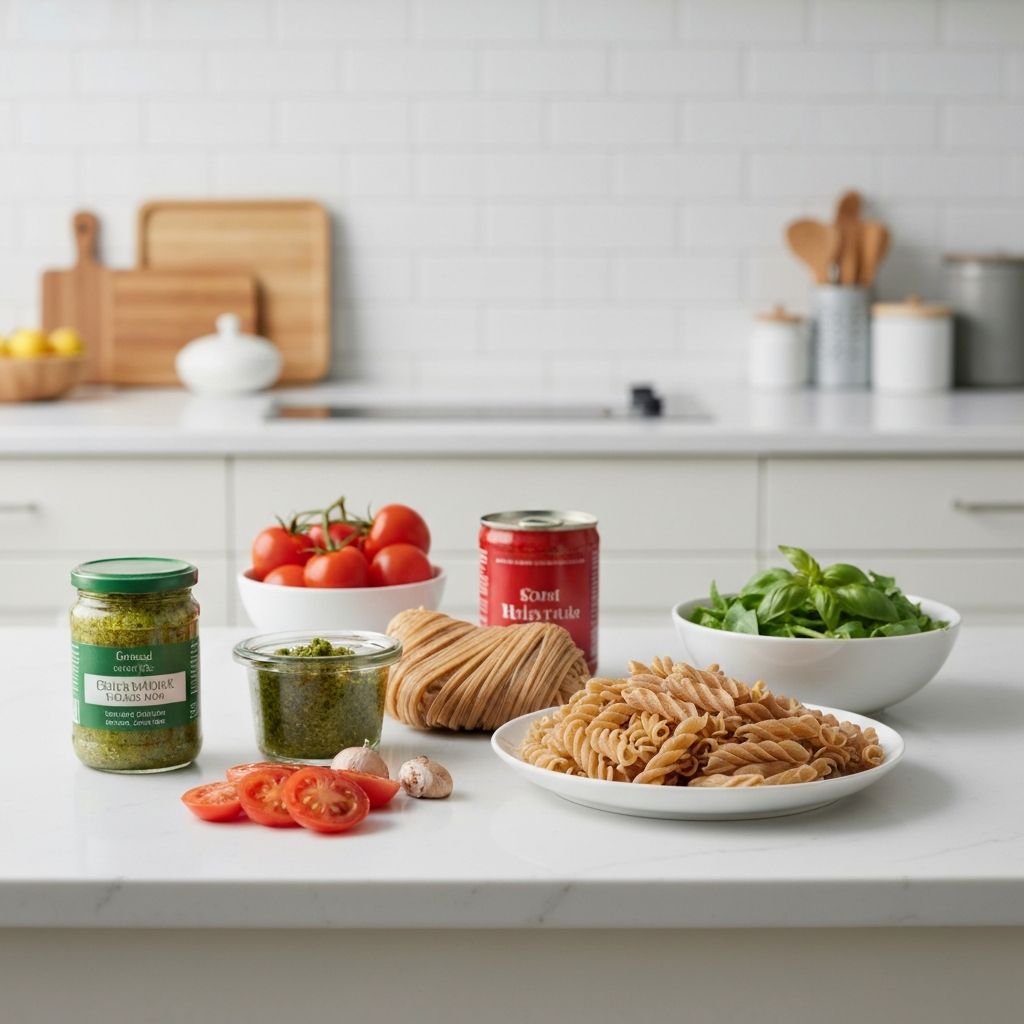
The Reality of Mixed Food Patterns
Most people naturally include both whole and processed foods in their daily eating patterns. The combination of these food categories is common across cultures, socioeconomic groups, and geographic regions.
A typical day might include fresh fruit with processed cereal at breakfast, a sandwich made with processed bread and fresh vegetables at lunch, and a dinner combining fresh proteins with packaged pasta and canned tomatoes.
Examples of Combined Meal Patterns
Breakfast combinations often mix whole and processed foods. Fresh berries might accompany processed yogurt, or whole grain toast might be paired with processed nut butter. These combinations provide variety in taste, texture, and nutritional content.
Lunch and dinner similarly incorporate both categories. Fresh salad vegetables might be combined with processed dressing, or fresh meat might be seasoned with processed spice blends. The mixing of food categories is practical and commonplace.
Practical Meal Examples
A lunch bowl might contain fresh leafy greens, fresh tomatoes, canned chickpeas, and packaged feta cheese with bottled vinaigrette. This single meal demonstrates how various processing levels naturally coexist.
A dinner plate could include fresh grilled chicken, steamed fresh broccoli, processed rice from a package, and sauce from a jar. Each component represents a different point on the processing spectrum.
Factors Influencing Food Category Balance
The proportion of whole versus processed foods in eating patterns varies based on time availability, cooking skills, budget constraints, access to fresh foods, storage capabilities, and personal preferences.
Urban dwellers with limited kitchen space might rely more heavily on processed convenience items, while those with access to gardens or farmers markets might incorporate more whole foods. Neither pattern is inherently correct or incorrect.
Time Considerations
Busy schedules often lead to increased use of processed foods that require minimal preparation. Pre-washed salads, frozen vegetables, and pre-seasoned proteins save time while still providing nutritional value.
Economic Considerations
Budget constraints influence food choices in complex ways. Sometimes processed foods offer cost advantages, while in other cases, whole foods purchased in bulk may be more economical. The relationship between cost and processing level is not straightforward.
Access and Availability
Geographic location and food distribution systems affect which foods are readily available. Some regions have abundant fresh produce year-round, while others rely more heavily on preserved and processed items for consistent food access.
Nutritional Considerations in Combined Patterns
Meals combining whole and processed foods can provide varied nutritional profiles. Fresh vegetables contribute fiber, vitamins, and minerals, while some processed items may offer fortified nutrients or preserved nutritional value.
The overall nutritional quality of a diet depends on the specific foods chosen from both categories rather than the categories themselves. A diet heavily featuring ultra-processed items will differ nutritionally from one emphasizing minimally processed foods alongside fresh ingredients.
Flexibility in Food Choices
Most nutritional frameworks acknowledge that rigid categorization of foods as entirely good or bad is overly simplistic. The context of overall eating patterns matters more than individual food items.
People successfully maintain diverse eating patterns that include both whole and processed foods in varying proportions. Individual circumstances, preferences, and contexts shape these patterns.
Cultural Perspectives on Food Processing
Different cultures have varying relationships with food processing. Traditional preservation methods like fermenting, drying, and smoking represent historical forms of food processing that remain culturally significant.
What one culture considers normal food processing, another might view differently. These cultural perspectives reflect historical circumstances, available resources, and culinary traditions.
No Universal Formula
There is no single correct ratio of whole to processed foods that applies to all individuals. Personal circumstances, health conditions, cultural background, and individual preferences all contribute to appropriate food choices.
The diversity of successful eating patterns around the world demonstrates that multiple approaches can support wellbeing. Flexibility and individual context matter more than adherence to rigid rules.
Practical Integration Approaches
Some people find it practical to emphasize whole foods for certain meals while relying on processed convenience for others. Weekend cooking might feature more fresh ingredients, while weeknight dinners might incorporate more convenience items.
Others might focus on minimally processed items as a middle ground, choosing frozen vegetables over canned, or selecting whole grain packaged products over refined versions. These choices reflect personal priorities and practical constraints.
Observation Without Judgment
Examining food choices through the lens of whole versus processed is one framework among many for understanding eating patterns. This framework provides descriptive categories rather than prescriptive rules.
Individual food decisions involve complex considerations beyond simple categorization. Taste preferences, family dynamics, cooking abilities, and emotional relationships with food all influence daily choices.
Educational Context
This article provides educational information about combining whole and processed foods in daily eating patterns. It does not constitute dietary advice or personalized nutrition recommendations.
Individual nutritional needs and appropriate food choices vary based on numerous personal factors. This information is descriptive rather than prescriptive.
The information presented does not account for individual health conditions, dietary requirements, or personal circumstances. Consult qualified professionals for guidance specific to your situation.