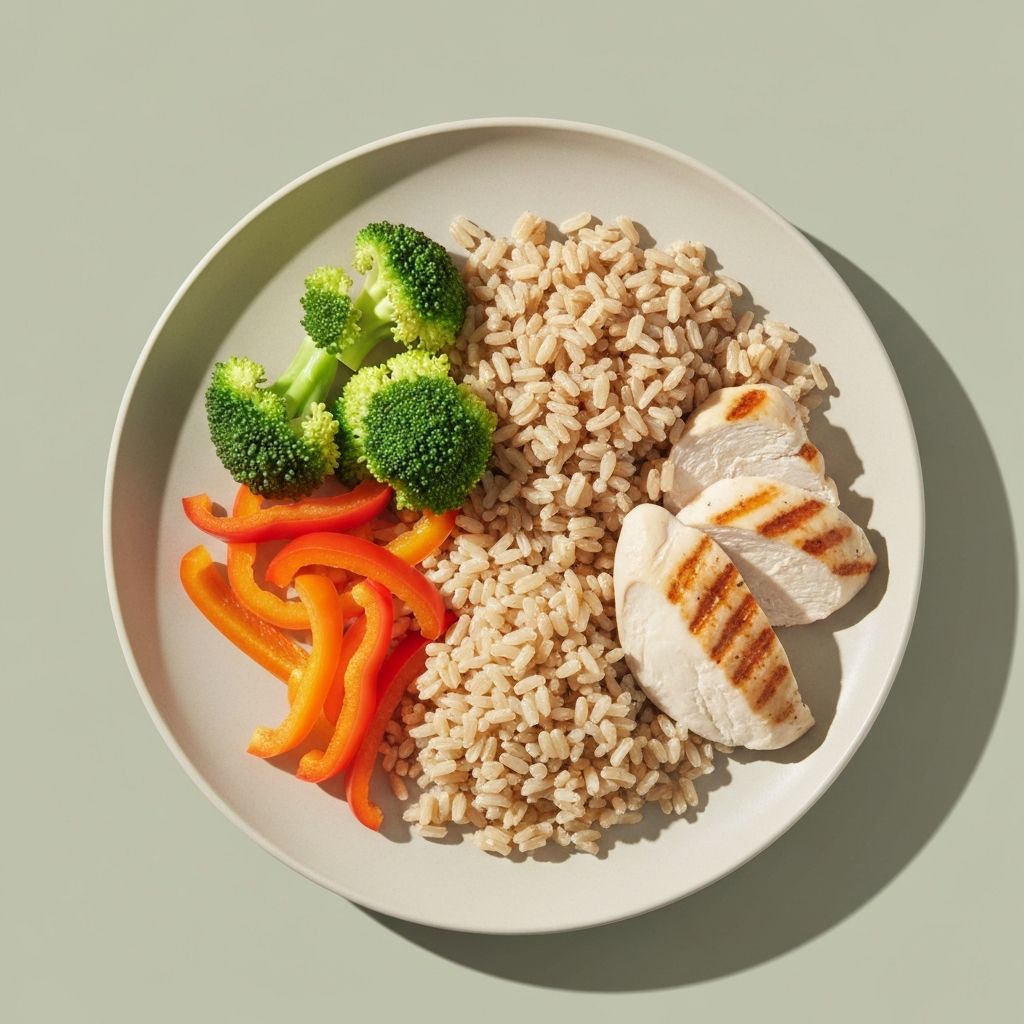
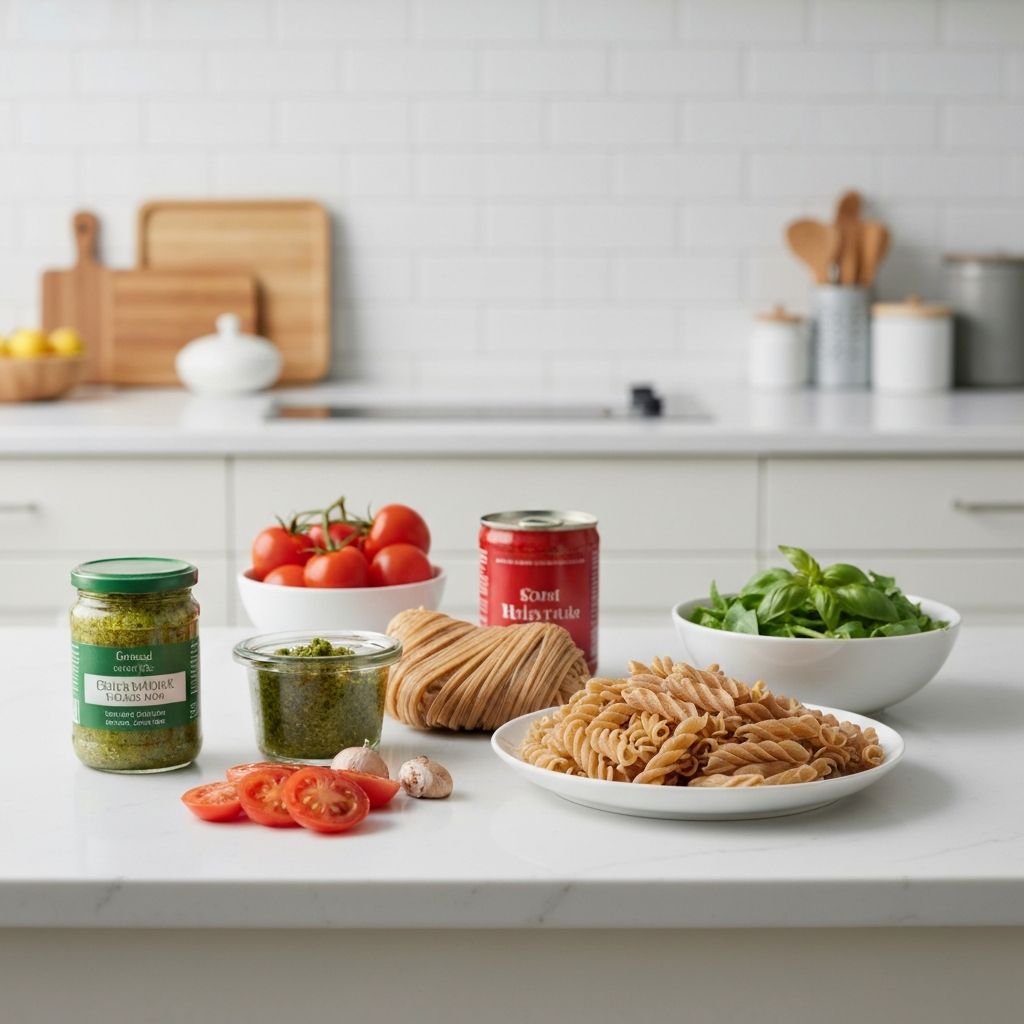
An educational resource exploring the differences between whole and processed foods in everyday diets
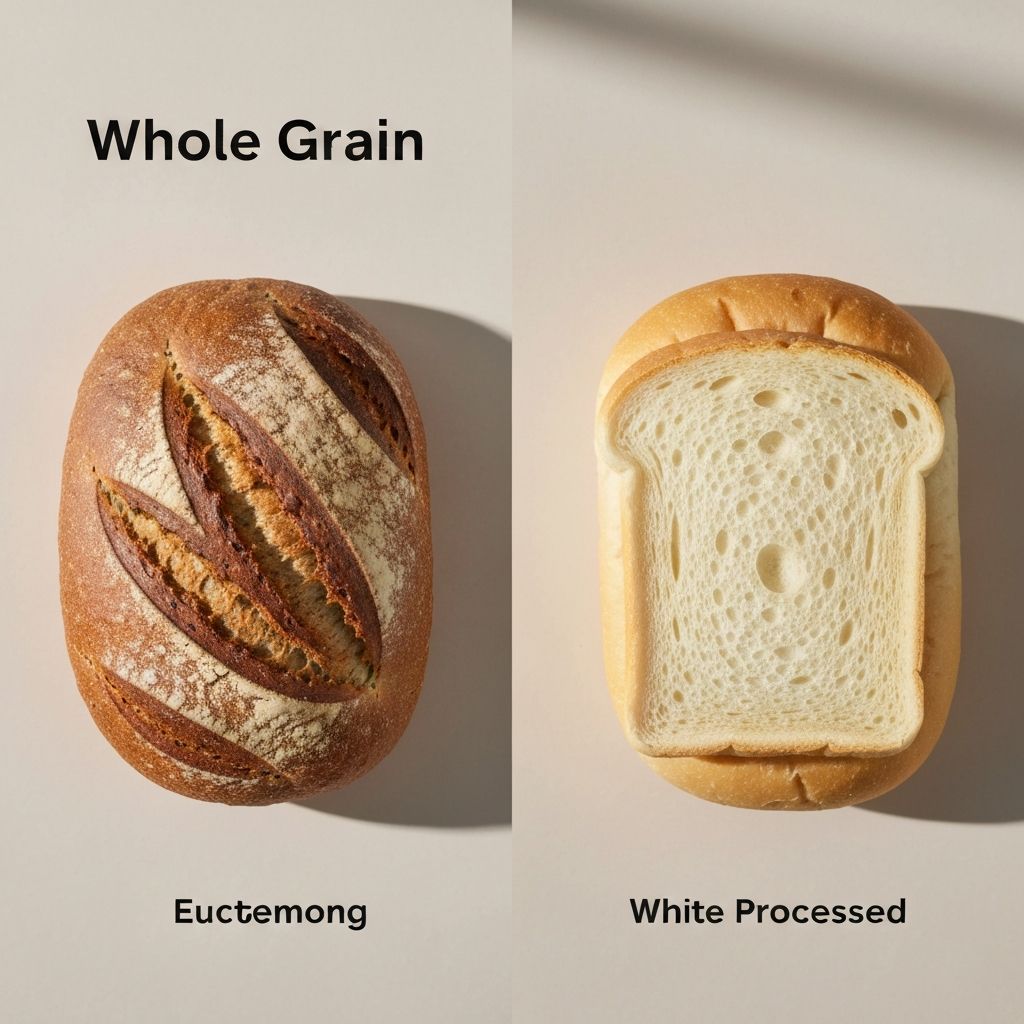
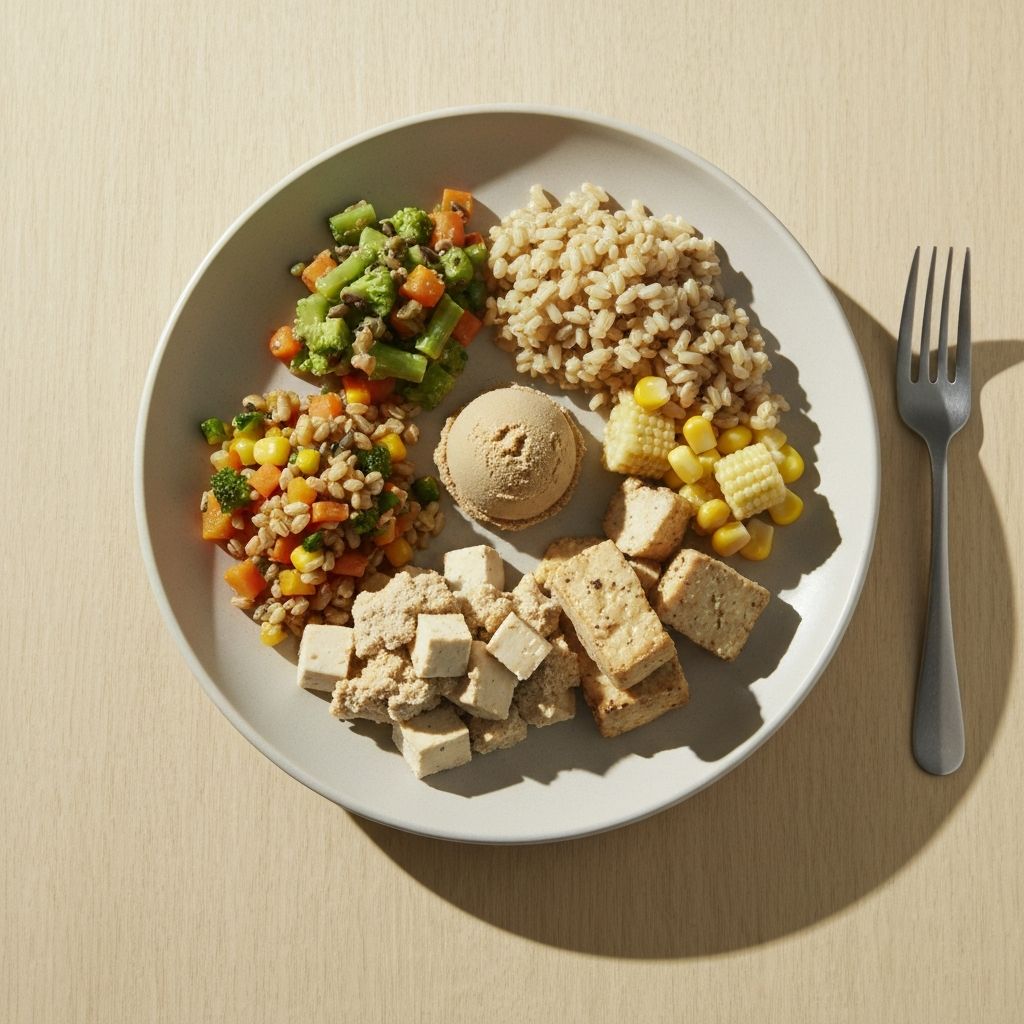
Learn moreWhole foods refer to ingredients that remain close to their natural state, such as fresh vegetables, fruits, whole grains, legumes, nuts, and seeds. These items typically undergo minimal processing and retain most of their original nutritional components.
Processed foods have been altered from their natural form through methods like cooking, canning, freezing, or adding ingredients. The degree of processing varies widely, from lightly processed items like frozen vegetables to heavily processed products with added preservatives, sugars, or fats.
Understanding these distinctions provides context for making informed decisions about daily food choices.
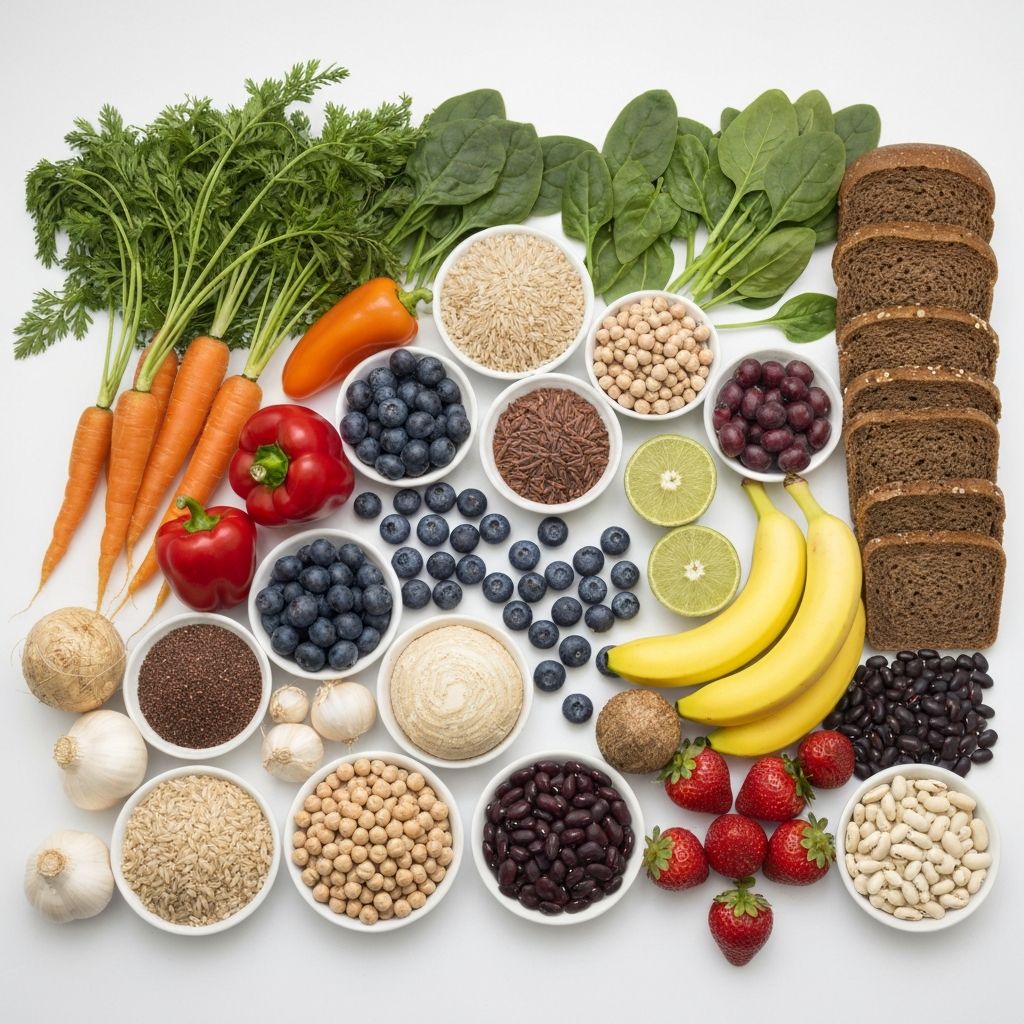
Whole foods generally contain fiber, vitamins, minerals, and phytonutrients in their natural proportions. Examples include fresh apples, brown rice, raw almonds, and fresh spinach.
Processed foods may have altered nutritional profiles due to ingredient additions or removals. Some processing methods preserve nutrients, while others may reduce nutritional density. Examples range from minimally processed items like pasteurized milk to ultra-processed products like packaged snacks.
The nutritional impact depends on the specific processing method and ingredients used. Both categories exist on a spectrum rather than as absolute opposites.
Most people incorporate both whole and processed foods into their daily eating patterns. A typical breakfast might include whole grain oats alongside processed yogurt. Lunch could feature fresh vegetables with minimally processed bread.
Evening meals often combine fresh ingredients with convenience items. The balance between whole and processed foods varies based on individual circumstances, preferences, and access to different food types.
There is no single correct approach, as dietary patterns depend on numerous personal factors including lifestyle, cultural background, and available resources.
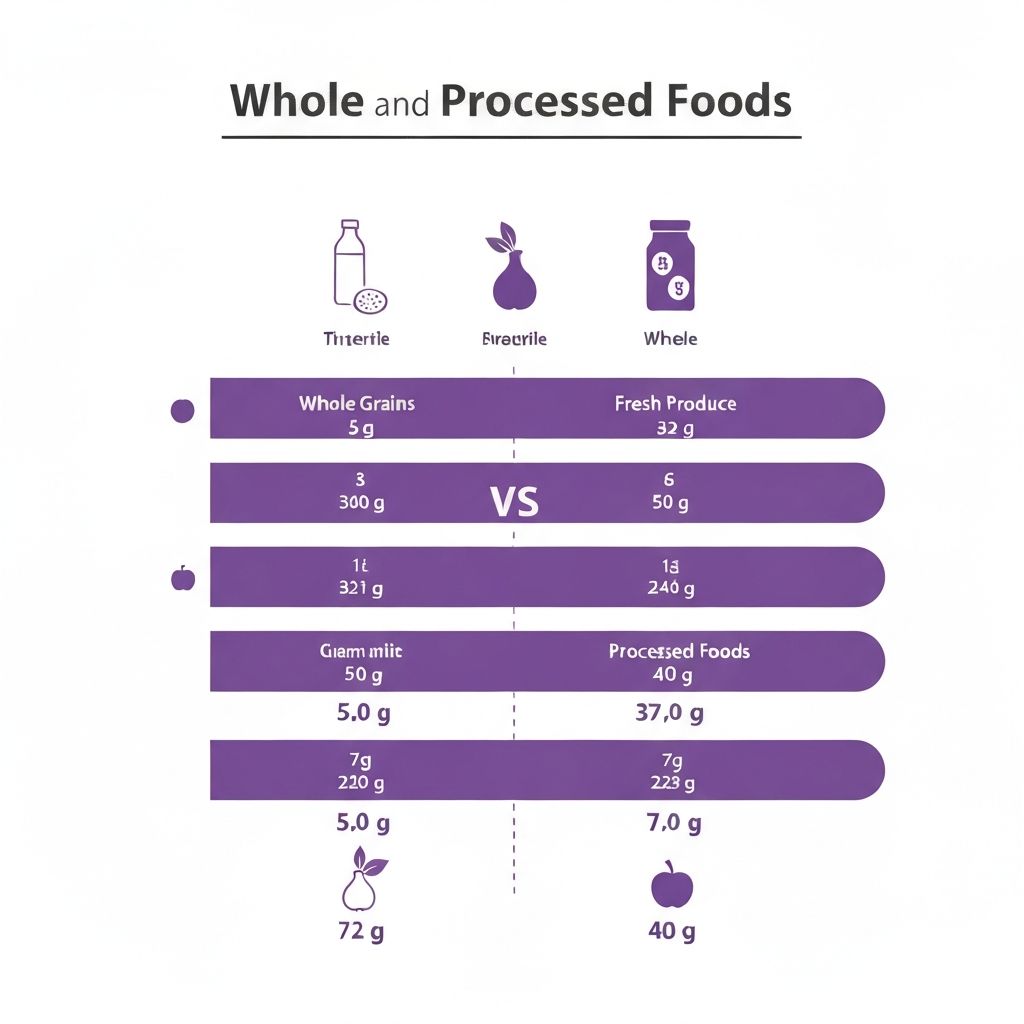
Nutritional content varies significantly across different food categories. Whole foods typically provide fiber, vitamins, and minerals in amounts closer to their natural occurrence.
Processing can affect nutrient density in various ways. Some methods preserve or enhance certain nutrients, while others may reduce nutritional value through ingredient removal or high-temperature processing.
Understanding these variations helps contextualize the nutritional differences between food categories without implying specific dietary recommendations.
Exploring examples of incorporating whole ingredients into morning meals and snacks.
Read in detail
Understanding how processed items appear in typical midday and evening meals.
Read in detail
Examining approaches to including both food categories in daily eating patterns.
Read in detailWhole foods are ingredients that remain close to their natural state with minimal processing. Examples include fresh vegetables, fruits, whole grains, legumes, nuts, and seeds.
No, processed foods exist on a spectrum. Some are minimally processed like frozen vegetables, while others are heavily processed with multiple added ingredients. The category is diverse.
Whole foods are typically found in produce sections, bulk bins, and refrigerated areas. They generally have short ingredient lists or are single ingredients themselves.
Yes, many processed foods retain or provide nutritional value. Examples include fortified grains, pasteurized dairy, and canned legumes. Nutritional content varies by product and processing method.
Minimally processed foods have undergone simple alterations like washing, cutting, or freezing. Ultra-processed foods contain multiple ingredients and additives, often including added sugars, fats, and preservatives.
This website provides educational information only about food categories and nutritional concepts.
The content does not constitute personal dietary advice, medical recommendations, or individualized nutrition planning.
Dietary needs and appropriate food choices vary significantly based on individual circumstances, health conditions, and personal preferences.
This information is not intended to replace professional consultation or personalized guidance.
Explore more educational content about food categories, nutritional concepts, and the science behind different food types. Our articles provide informational context without prescriptive guidance.
Explore further